
Extreme Weather: A Growing Threat to Global Supply Chains
The increase in extreme weather events around the world is posing a significant threat to global supply chains, with severe consequences for businesses and consumers alike. According to a recent report by Everstream Analytics, weather has the second-biggest impact on the world’s supply chain, after geopolitical tensions. The report found that extreme weather has a 93% threat level, with severe weather events increasing in frequency and intensity, negatively affecting Americans financially.
Impact of Extreme Weather on Supply Chains
Everstream Analytics’ Chief Meteorologist, Jon Davis, notes that the real concern is the accelerating trend of extreme weather events, which have ramifications financially and across all aspects of the supply chain. The report highlights that tropical cyclones have been the leading cause of supply chain losses worldwide, while strong wind events associated with non-tropical cyclones are the second-largest contributor.
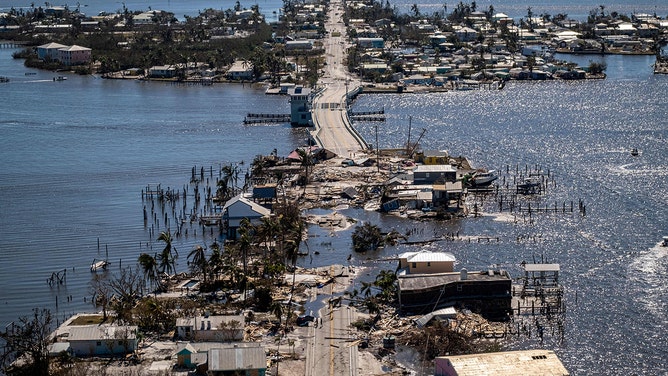
A neighborhood destroyed in the aftermath of Hurricane Ian in Fort Myers, Florida.
(RICARDO ARDUENGO/AFP / Getty Images)
Economic Consequences of Extreme Weather
The economic losses from floods have risen from $33 billion in 2000 to an average of $42 billion in later years, a 27% increase. In Europe, flooding disasters have been a leading cause of economic impacts, but in the summer of 2025, drought, heat, and flash floods resulted in almost $50 billion in losses. The agricultural supply chain has been experiencing the worst impacts from the increase in extreme weather, with the global wheat harvest 18% below its early average due to droughts in major producing areas, causing food prices to increase.
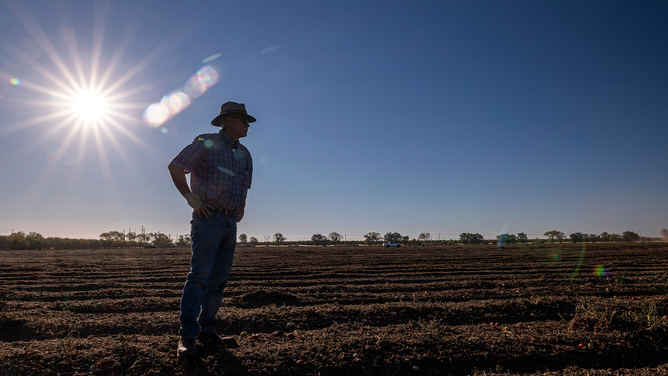
Drought and water shortages are hurting processing tomato production in a region responsible for a quarter of the world’s output, with the squeeze set to exacerbate already elevated prices for tomato-based goods.
(David Paul Morris/Bloomberg / Getty Images)
Building Climate Resilience
Everstream Analytics predicts that the situation will only worsen in 2026, with companies competing for limited products, leading to price hikes. The company emphasizes that traditional weather risk management is no longer practical in today’s environment and that businesses must invest in advanced climate modeling and real-time weather monitoring systems to be proactive. Building climate resilience requires fundamental changes to supply chain design, including geographic diversification, increased inventory buffers, and flexible logistics networks that can rapidly reroute around weather-impacted areas.
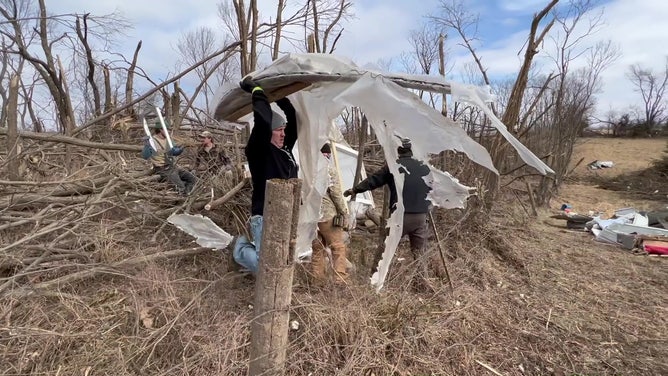
Tornado damage at PepperHarrow Farm in Winterset, Iowa
(FOX Weather)
For more information on the impact of extreme weather on global supply chains, visit Here
Image Source: www.foxweather.com


