
Mesenteric Ischemia: A Rare but Treatable Condition
For retired grandfather Ed Langevin, life was good until February 2024, when everything changed. He started experiencing heartburn after every meal, and even a small amount of food made him feel full. He became nauseous and afraid of eating due to the pain it caused. In just three months, he lost 20 pounds. Langevin’s general doctor conducted various tests, including checking his liver and pancreas, but it wasn’t until May 2024 that a stomach scan revealed he had a rare condition called mesenteric ischemia.
Mesenteric ischemia occurs when narrowed or blocked arteries restrict blood flow to the small intestine, according to the Mayo Clinic. There are two forms of the condition: acute and chronic. Acute mesenteric ischemia occurs suddenly, often caused by a blood clot, while chronic mesenteric ischemia builds up over time, usually due to fatty deposits in the arteries. If left untreated, chronic mesenteric ischemia can become acute, leading to pain, malnutrition, and potentially fatal complications, including intestinal damage and organ failure.
Treating Mesenteric Ischemia
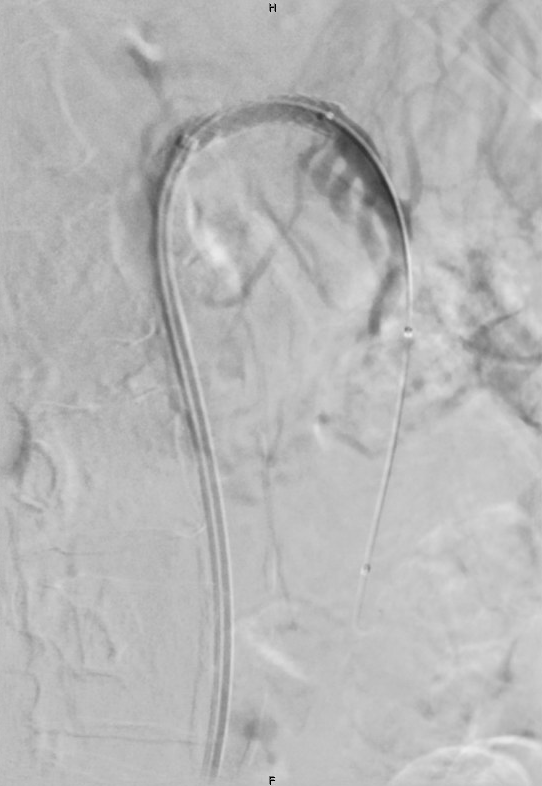
Langevin’s doctor, Dr. Gabriel Wallace, director of vascular surgery at the Bluhm Cardiovascular Institute at Northwestern Medicine Palos Hospital, performed a minimally invasive procedure, placing a stent in the superior mesenteric artery. The stent holds the artery open, allowing blood to flow normally. The surgery took less than an hour, and Langevin was sent home the same day. He was also placed on antiplatelet medication.
Getting Back to Normal
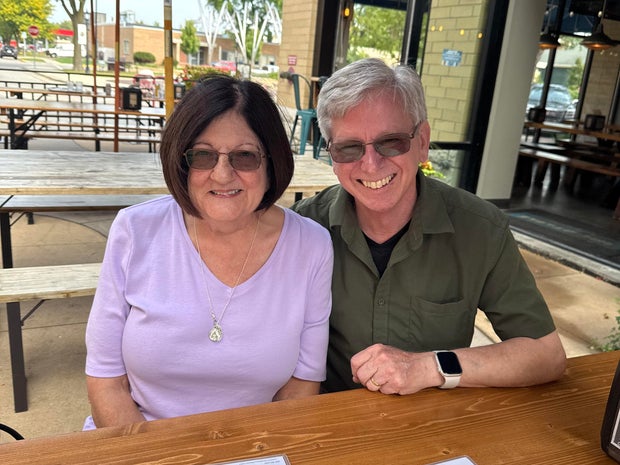
About six months after his follow-up surgery, Langevin is back to his old self. He can enjoy his favorite foods, including steaks, pasta, and sandwiches, and has gained back most of the weight he lost. He spends plenty of time with his grandkids and is planning to travel to Rome with his wife as part of a pilgrimage with his local church.
Conclusion
Langevin’s story highlights the importance of advocating for oneself in a healthcare setting. If you’re experiencing persistent symptoms, don’t give up. Find a doctor who will listen and work with you to find a solution. For more information on mesenteric ischemia, visit Here
Image Source: www.cbsnews.com


