
Early Detection of Breast Cancer: A Life-Changing Diagnosis
Michaela Del Barrio had always been aware of her family’s history of breast cancer, which put her at a higher risk of developing the disease. Despite her concerns, doctors had previously told her she was too young to worry about it. However, after the birth of her second child, Del Barrio began to take a more proactive approach to her health. She asked her doctor about early screening options and was directed to Northwestern University’s high-risk breast clinic.
At the age of 36, Del Barrio underwent her first mammogram, which revealed two suspicious masses in her left breast. Further testing, including an ultrasound and biopsy, confirmed that she had early-stage breast cancer. Del Barrio was diagnosed with invasive ductal carcinoma, a type of breast cancer that accounts for about 80% of breast cancer diagnoses, according to the National Breast Cancer Foundation.
Del Barrio’s treatment included surgery, chemotherapy, and radiation therapy. She underwent a bilateral mastectomy to reduce her risk of the cancer returning. Her oncologist, Dr. Annabelle Veerapaneni, said that Del Barrio’s decision to undergo early screening likely saved her life. “I shudder to think how much worse her case could have been if she had not pushed for early screenings,” Veerapaneni said.
Importance of Early Screening
Women with an average risk of breast cancer are recommended to start receiving mammograms at the age of 40. However, those with a higher risk, such as Del Barrio, should start earlier. Dr. Arif Kamal, an oncologist and the American Cancer Society’s chief patient officer, emphasized the importance of being aware of one’s personal risk of cancer. This includes knowing one’s family history and undergoing appropriate screenings.
Kamal recommended that women begin speaking to their doctors in their mid-20s and flag any family history of cancer to develop the best course of action. This may include early mammograms, breast MRIs, or more frequent exams. Genetic testing may also be recommended for some women.
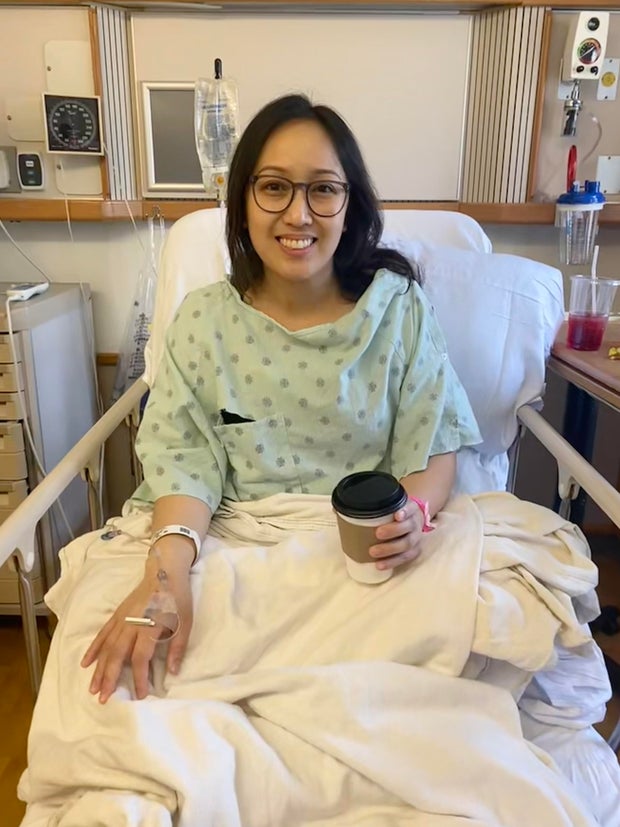
Del Barrio’s experience highlights the importance of early detection and screening. She is currently undergoing extended endocrine therapy treatment and will have reconstructive breast surgery at the end of the year. Del Barrio’s story serves as a reminder to women to be proactive about their health and to speak with their doctors about their personal risk of breast cancer.
Conclusion
Early detection of breast cancer can significantly improve treatment outcomes and save lives. Women should be aware of their personal risk of breast cancer and take proactive steps to reduce their risk. This includes knowing one’s family history, undergoing appropriate screenings, and speaking with a doctor about the best course of action. By taking these steps, women can reduce their risk of breast cancer and improve their chances of survival.
Read more about breast cancer awareness and early detection Here
Image Source: www.cbsnews.com


