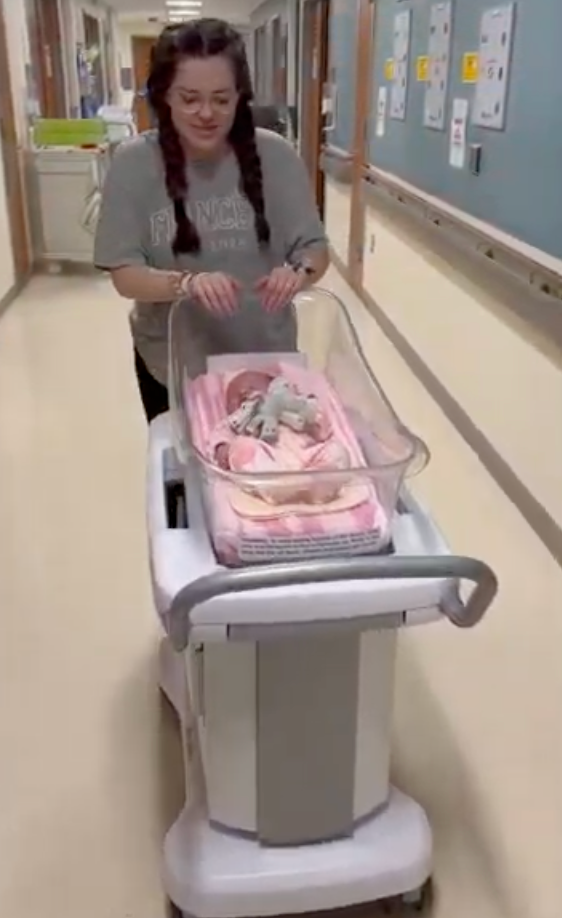
Understanding Amniotic Fluid Embolism: A Rare but Life-Threatening Condition
Jennifer Choate’s pregnancy was progressing smoothly until she experienced severe headaches and high blood pressure two and a half weeks before her due date. The 27-year-old was rushed to the emergency room at the University of Maryland Baltimore Washington Medical Center, where doctors suspected preeclampsia and induced labor. However, Choate’s condition took a turn for the worse when she suffered an excruciating pressure in her chest and head, leading to a life-threatening condition known as amniotic fluid embolism.
According to Dr. Nicole Scott, an associate professor of clinical obstetrics & gynecology at Indiana University’s School of Medicine, amniotic fluid embolism is a “super rare obstetric event” that occurs when amniotic fluid enters a person’s bloodstream, triggering a cascade of events that can cause major organs to shut down. This condition affects approximately 1 in 40,000 U.S. births, with no warning signs, and often happens shortly after a person’s water breaks.
Causes and Symptoms of Amniotic Fluid Embolism
The exact causes of amniotic fluid embolism are still unknown, but it is believed to occur when amniotic fluid enters the bloodstream, triggering an allergic reaction that can lead to cardiac arrest, respiratory failure, and other complications. Symptoms may include sudden and severe chest pain, shortness of breath, and a rapid heart rate. In some cases, patients may experience seizures or strokes.
About half of the women who experience amniotic fluid embolism do not survive, and those who do often suffer from lifelong complications, including neurological issues, blood clots, and musculoskeletal problems. In some cases, patients may require a hysterectomy, and survivors often experience significant emotional trauma.
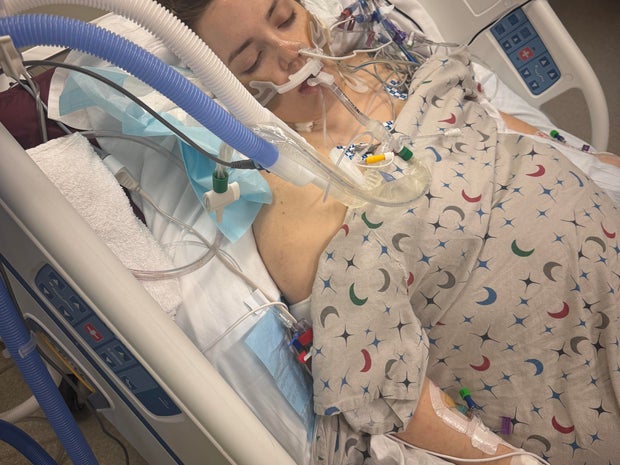
A Fight for Recovery
Choate’s medical team worked tirelessly to save her life, using blood transfusions, clamps, and a uterine tamponade to control her blood loss and stabilize her condition. She was placed on a ventilator and transferred to the University of Maryland Medical Center for advanced intensive care. After a long and challenging recovery, Choate was finally able to meet her baby and begin the process of healing and bonding.
As Choate navigated her recovery, she was haunted by the memories of her ordeal. However, her love for her daughter and her determination to be a mother kept her going. With the support of her family and medical team, Choate was able to push through the pain and challenges, and eventually, she was discharged from the hospital after nine days.
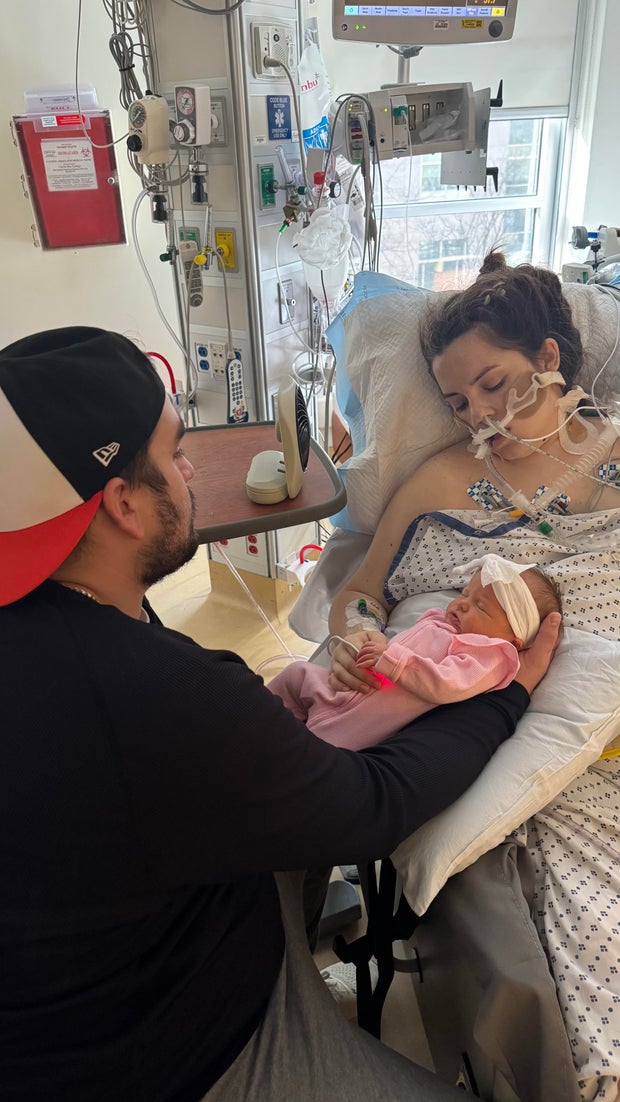
Life After Amniotic Fluid Embolism
Today, Choate is grateful to be alive and to have a healthy baby. She acknowledges that her experience has left her with emotional scars, but she is determined to move forward and focus on the positive aspects of her life. As she navigates motherhood, Choate is reminded of the importance of appreciating every moment and not taking life for granted.
“I got the one most important thing out of my birth and labor,” Choate said. “My child is alive.” For more information on amniotic fluid embolism and pregnancy complications, visit Here