
A Life-Changing Intestinal Transplant
For Lacy Cornelius Boyd, March 19, 2024, was supposed to be an exciting day, a family road trip to the Grand Canyon with her husband and 6-year-old daughter. However, their car hit a patch of black ice, resulting in a devastating accident that would change their lives forever. Boyd’s daughter suffered a broken arm, while her husband and the other driver were fortunate to escape unharmed. Boyd, however, was not as lucky, sustaining severe injuries, including broken bones in her neck and ribs, a collapsed lung, and severe damage to her intestines.
Boyd underwent six surgeries in five days, but the damage to her intestines, caused by a too-tight seatbelt, continued to worsen. She was left with only 35 inches of small intestine, compared to the normal 35 feet. This led to a diagnosis of short bowel syndrome, and she was forced to rely on an ileostomy bag and 12 hours of IV nutrition daily. The accident had not only taken a toll on her physical health but also affected her mental well-being and overall quality of life.
The Road to Recovery
Boyd’s journey to recovery was long and arduous. She was discharged from the hospital after a month but was unable to enjoy life as she once had. Simple tasks, such as going out to eat, became embarrassing and challenging due to her condition. She felt like she was “just going through the motions” of life, unable to truly participate or enjoy time with her loved ones.
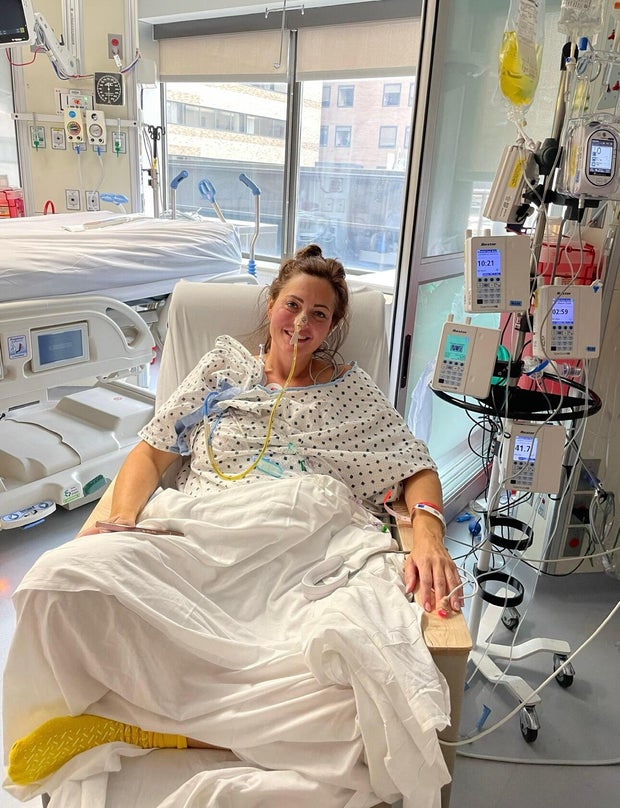
A Rare and Risky Transplant
Boyd’s situation led her to seek out a rare and risky intestinal transplant. According to Dr. Adam Griesemer, a transplant surgeon at NYU Langone, intestinal transplants are only performed about 100 times a year in the U.S., compared to the 25,000 kidney transplants done annually. Dr. Masato Fujiki, the director of Cleveland Clinic’s Intestinal Transplant Program, noted that these transplants have the worst outcomes of any type of transplant, making them a last resort for patients like Boyd, who would otherwise be dependent on IV nutrition for the rest of their lives.
A New Lease on Life
After being listed for an intestinal transplant in November 2024, Boyd finally received the transplant in July 2025 at the Cleveland Clinic. The operation was a success, and Boyd began her road to recovery. She spent three weeks in the hospital and an additional three months in outpatient recovery in Cleveland, where she could be closely monitored by her care team.

A Festive Return Home
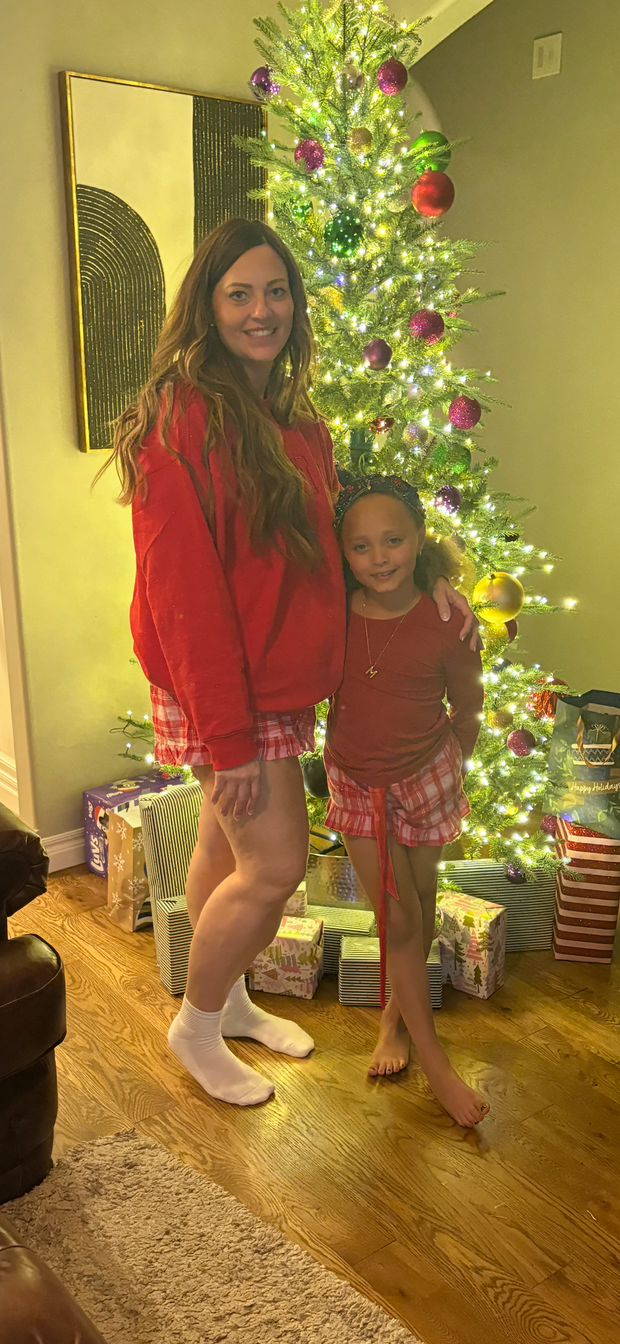
Boyd returned home to Oklahoma just in time for the holiday season, where she was finally able to participate in beloved traditions with her family. She expressed her gratitude for being able to take her daughter to school, pick her up, and enjoy normal activities without worrying about her health. Boyd remains on anti-rejection medications and receives follow-up care at the Cleveland Clinic, but she is finally able to live a life free from the constant burden of her condition.
Learn More
Read the full story Here
Image Source: www.cbsnews.com


