
Understanding Acute Lymphoblastic Leukemia: A Mother’s Journey
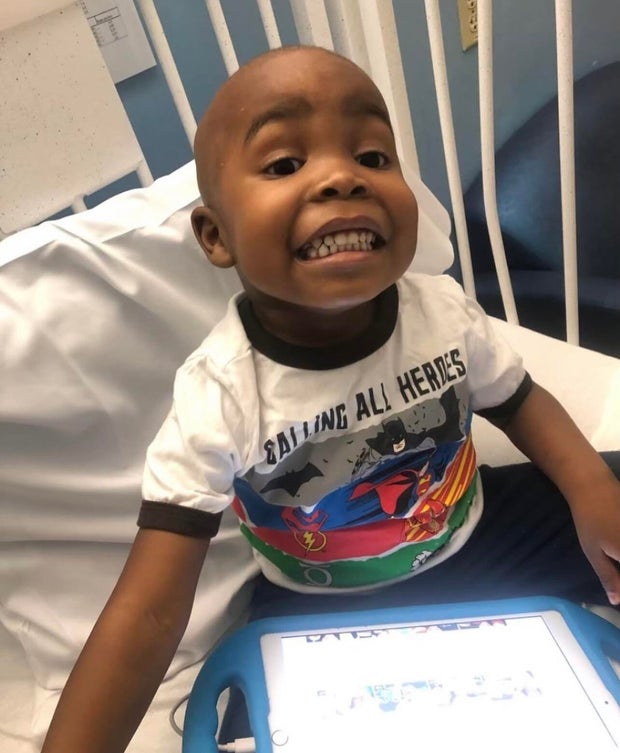
Meghan Jenkins’ life was turned upside down when her energetic and inquisitive toddler, Malachi, was diagnosed with acute lymphoblastic leukemia (ALL) in March 2021. At the time, Malachi was just a year old and had been experiencing symptoms such as tiredness, lethargy, and a lingering cough. A visit to the emergency room and subsequent bone marrow biopsy revealed the devastating news: Malachi’s white blood cell count was more than 10 times higher than normal, and he had a rare and aggressive form of cancer that required immediate treatment.
What is Acute Lymphoblastic Leukemia?
Acute lymphoblastic leukemia (ALL) is a rare and aggressive form of cancer that affects the bone marrow, according to the American Cancer Society. It is characterized by the rapid production of immature white blood cells, which can crowd out healthy cells and weaken the immune system. ALL is most commonly diagnosed in children under the age of 5, and only about 6,100 new cases are diagnosed each year in the United States.
Malachi’s diagnosis was a shock to his family, and the road to recovery was long and challenging. He underwent intensive chemotherapy, which caused side effects such as nausea, fatigue, and regression in his potty training. Despite the difficulties, Malachi’s treatment was successful, and he was able to ring the bell signifying the completion of his cancer treatment in August 2023.
Treatment and Recovery
Malachi’s treatment was overseen by Dr. Julio Barredo, the director of pediatric cancer programs at Sylvester Comprehensive Cancer Center, and Dr. Aditi Dhir, a pediatric hematologist. The treatment plan included intensive chemotherapy, which was administered in the hospital for the first month. Malachi then continued chemotherapy at home, taking eight medications a day and spending several days a week in the hospital.
After two years of treatment, Malachi was able to complete his cancer treatment and ring the bell signifying the end of his journey. Today, he is a happy and healthy 7-year-old who excels in school and enjoys playing with dinosaurs and trucks. His immune system remains compromised, but his family is hopeful that he will be able to have a normal childhood going forward.

Conclusion
Malachi’s story is a testament to the power of modern medicine and the importance of early diagnosis and treatment. His family’s journey was not easy, but it is a reminder that there is always hope, even in the darkest of times. For more information on acute lymphoblastic leukemia and pediatric cancer, visit Here
Image Source: www.cbsnews.com


