
Lung Cancer Diagnosis in Non-Smokers: A Growing Concern
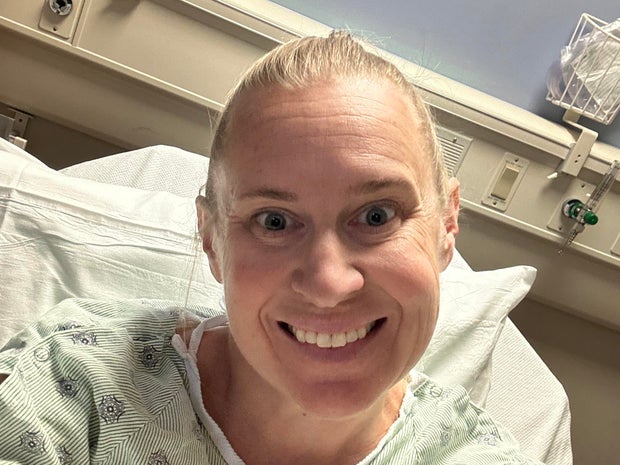
Leslie Stoll, a former boxer and athlete, never thought she would be diagnosed with lung cancer. Despite never smoking, Stoll developed a blood clot that led to a pulmonary embolism in 2014, and another one occurred after surgery on her foot years later. After treatment, she was referred to a hematologist who prescribed blood thinners and monitored the clot. During a routine appointment in 2024, the hematologist recommended a CT scan, which revealed a small anomaly in her lungs.
Stoll wasn’t worried, given her athletic background and lack of smoking history. However, the hematologist suggested a PET scan to rule out any potential issues. The results indicated that “malignancy could not be ruled out,” and Stoll’s doctor recommended a lung biopsy. The biopsy revealed Stage One lung cancer, making Stoll one of the growing number of non-smokers diagnosed with the disease.
Understanding Lung Cancer in Non-Smokers
According to Dr. Jonathan Villena-Vargas, a thoracic surgeon at NewYork-Presbyterian and Weill Cornell Medicine, non-smokers with lung cancer are more common than people might expect. “Never-smokers” account for about 20% of the 250,000 new lung cancer diagnoses each year. Dr. Lucas Delasos, an oncologist at the Cleveland Clinic, notes that women, particularly those of Asian descent, are more likely to be diagnosed with lung cancer despite never smoking.
Younger non-smoking patients are also more likely to have mutations that drive the disease’s growth, Delasos said. Identifying these mutations allows for more personalized treatment. The increase in diagnoses may be due to increased awareness, and researchers are studying environmental factors like radon gas or other hazardous materials.
Treatment and Recovery
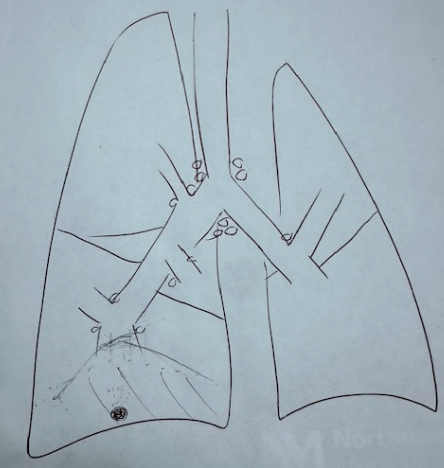
Stoll was referred to Dr. Andrew Arndt, a thoracic surgeon at Northwestern Medicine, who recommended a robotic surgery to remove a section of her right lung’s lower lobe. Stoll was concerned about the impact on her ability to exercise, but Arndt reassured her by sketching her lung and explaining the minimally invasive operation.
During the procedure, Arndt biopsied Stoll’s lymph nodes to confirm the cancer hadn’t spread. The tests were negative, meaning Stoll didn’t need chemotherapy or radiation treatment. Further tests found that she had no evidence of cancer after the surgery, Arndt said.
A New Lease on Life
Recovery was challenging, but Stoll was determined to get back to her old self. She started with short walks and gradually increased her activity level. Nine months after the surgery, she climbed Phoenix’s Camelback Mountain, a difficult trek that can take up to three hours.
Now, about six months after her surgery, Stoll is back to her regular life. She works out and walks her dog twice a day. Arndt’s drawing of her lung sits on her mantle as a reminder of what she went through. She has regular scans to ensure the cancer hasn’t returned. Stoll said she is careful to attend all her follow-up appointments, aware that those precautions were key to diagnosing her cancer early.

Stoll’s story highlights the importance of regular check-ups and follow-up appointments. Her experience also raises awareness about lung cancer in non-smokers, a growing concern that requires increased attention and research. For more information, visit Here
Image Source: www.cbsnews.com


