
La Niña Climate Pattern: What It Means for Winter in the US
The National Oceanic and Atmospheric Administration (NOAA) has issued a La Niña Advisory, indicating that the world is being impacted by a La Niña climate pattern. This is determined by water temperatures in the central and eastern Pacific, which have dropped to 0.5 degrees Celsius below average (-0.9 degrees Fahrenheit). According to NOAA’s National Weather Service winter outlook, a cold winter is likely in store for those in the northern US, with milder temperatures across the southern tier.
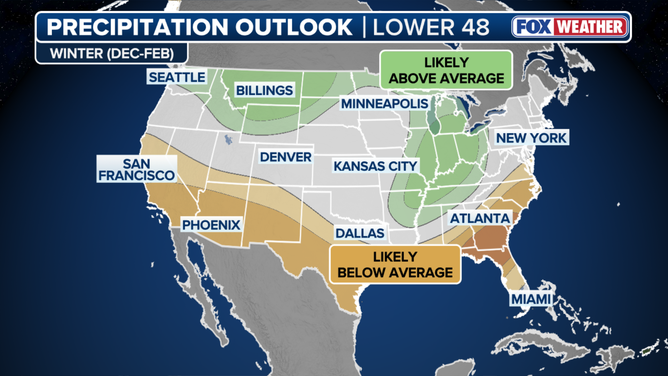
The La Niña climate pattern will have a significant impact on winter weather patterns from December through February. The Northern Tier and Upper Midwest are looking at higher confidence of below-average winter temperatures, which means even colder than their typically frigid winters. Forecasts indicate wetter than average conditions for the Ohio Valley and southern Great Lakes region and most of Alaska.
Typical La Niña Impacts
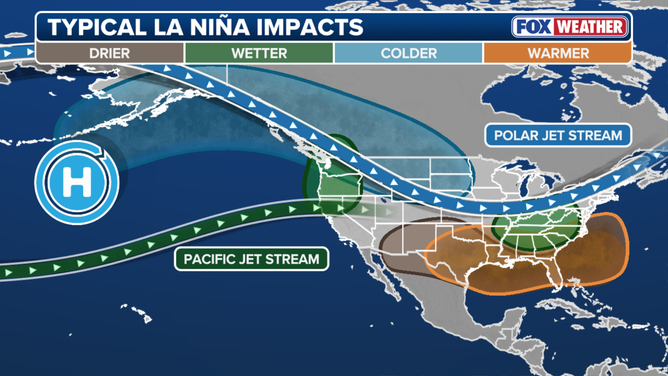
La Niña will also influence the continued drier-than-average conditions in the desert Southwest, along the Gulf Coast and Florida to the Carolinas. The outlook favors continued and worsening drought conditions from southern Texas to California, but the Pacific Northwest could see improving drought conditions.
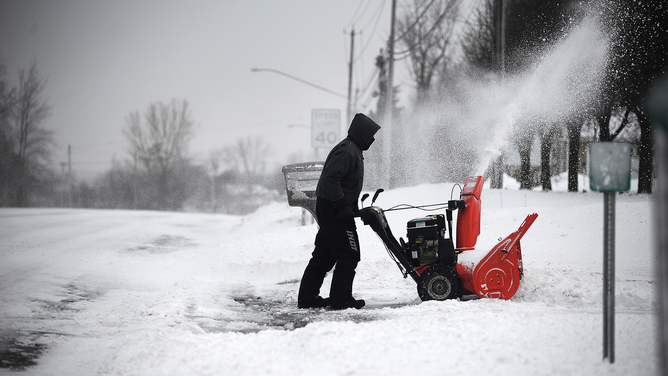
According to NOAA’s Climate Prediction Center’s Operational Prediction Branch Chief Jon Gottschalck, “A northerly shift in the storm track during the winter months often accompanies La Niña events, so the southern tier of the country is forecast to be warmer and drier than normal.” After back-to-back tropical systems dumping rain along the Eastern Seaboard this summer and fall, a milder-than-average winter could be in store for this region.
Winter Temperature and Precipitation Outlook
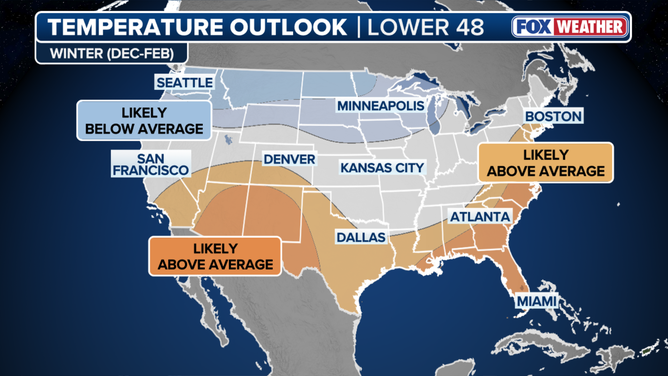
NOAA’s winter temperature outlook indicates that the Northern Tier and Upper Midwest will experience below-average temperatures, while the southern tier will be warmer than average. The seasonal precipitation outlook shows that the Ohio Valley and southern Great Lakes region will experience wetter than average conditions, while the desert Southwest and Gulf Coast will be drier than average.
For more information on the La Niña climate pattern and its impact on winter weather, visit Here
Image Source: www.foxweather.com


