
Preserving Local Ecosystems: The Importance of Responsible Firewood Choices
As the temperatures drop and the nights grow cooler, many of us are drawn to the warmth and ambiance of a crackling fire. However, in our enthusiasm for cozy nights by the fire, it’s essential to remember the importance of responsible firewood choices. The Wisconsin Department of Natural Resources has issued a warning to residents, cautioning against the transportation of untreated wood over long distances, as this can inadvertently lead to the spread of invasive species.
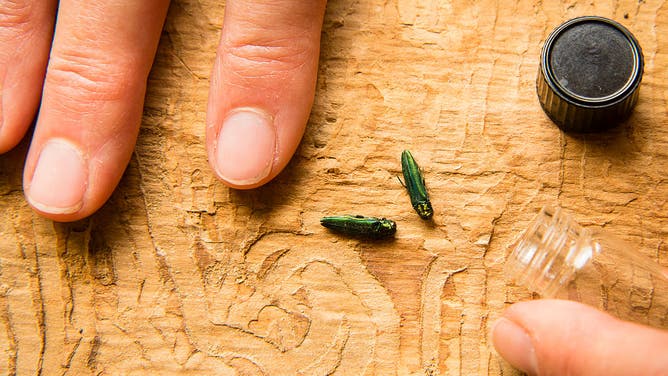
The problem of invasive species is significant enough that the entire month of October is devoted to its awareness, known as National Firewood Month. According to the Wisconsin DNR, insects and fungi that are non-native to a region can spread through the transportation of untreated wood, leading to problems for forests, parks, and other ecosystems. Some of the most notable invasive species that can hitchhike on firewood include the spongy moth, the Asian longhorned beetle, the emerald ash borer, and a fungus that causes oak wilt.
The Risks of Invasive Species
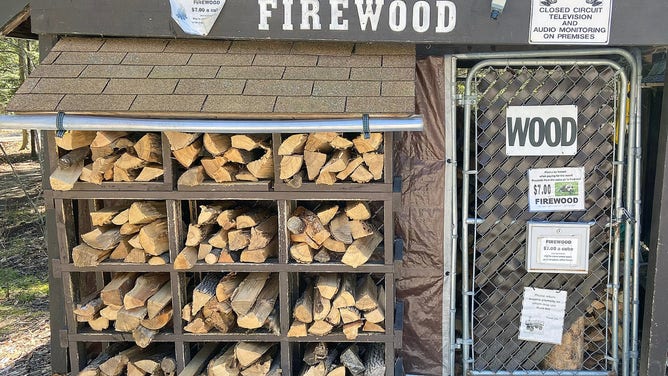 The Wisconsin DNR highlights the risks associated with the transportation of untreated firewood, emphasizing the importance of certified wood that has been heat-treated. Certified wood is considered safe to move within and across state lines, reducing the risk of introducing invasive species to new areas.
Experts stress that prevention is far more effective than containment, citing numerous examples of damage caused by the spread of invasive species. The emerald ash borer, for instance, was first detected in North America outside Detroit in 2002 and has since destroyed over 40 million ash trees in Michigan. By making informed choices about firewood, individuals can help preserve local ecosystems and prevent the spread of invasive species.
Responsible Firewood Choices
Campers are advised to leave unused firewood behind instead of bringing it home, which could introduce pests to their own property. Many parks and campgrounds have websites that can help visitors and residents find certified vendors for their firewood needs. The Don’t Move Firewood campaign, launched in 2008, aims to prevent the spread of invasive problems in the U.S. and Canada through education and awareness.
 By making responsible firewood choices, individuals can help protect local ecosystems and prevent the spread of invasive species. For more information on responsible firewood choices and the risks associated with invasive species, visit Here
Image Source: www.foxweather.com


